Siding does a lot more than just make your home look nice. It seals out moisture, blocks wind, and protects the structure underneath. When siding fails, it usually fails quietly, and the damage spreads before you notice.
Here's what to watch for if you live in Maine, and how to tell whether you need a quick repair or a full replacement.
Visible Warning Signs
Most failing siding shows symptoms you can spot from the yard.
01Cracks, Splits, and Holes
Small cracks may be fixable, but widespread cracking points to material that's past its life. Holes from impact or pests are entry points for water and animals.
02Warping or Buckling
Siding that's bowing out, rippling, or pulling away from the wall has lost its grip. That usually means moisture has gotten behind it or the fasteners have failed.
03Rotting or Soft Spots
Wood siding that feels soft when you press it is rotting. Once rot starts, it spreads. The same goes for trim, fascia, and any wood elements.
04Fading and Discoloration
Fading alone doesn't mean replacement, but heavy discoloration can signal that the protective layer has broken down. Vinyl that's chalky or faded badly often needs replacing.
05Mold, Mildew, or Algae
Dark streaks or fuzzy patches mean moisture is staying on the surface or behind it. Sometimes a wash is enough. Sometimes it points to a deeper issue.
Hidden Warning Signs
Some siding problems don't show up on the siding itself. They show up inside.
01Higher Energy Bills
Failing siding lets cold air in and warm air out. If your heating bill jumped without a clear reason, your siding may be part of the cause.
02Peeling Paint or Wallpaper Inside
When moisture pushes through failing siding, it can show up as peeling paint or bubbling wallpaper on interior walls.
03Drafty Rooms
Rooms that feel drafty even with windows closed are a sign that wind is finding gaps in your siding system.
How Maine Weather Damages Siding
Maine puts a unique mix of stress on siding. It's worth knowing what your home is up against.
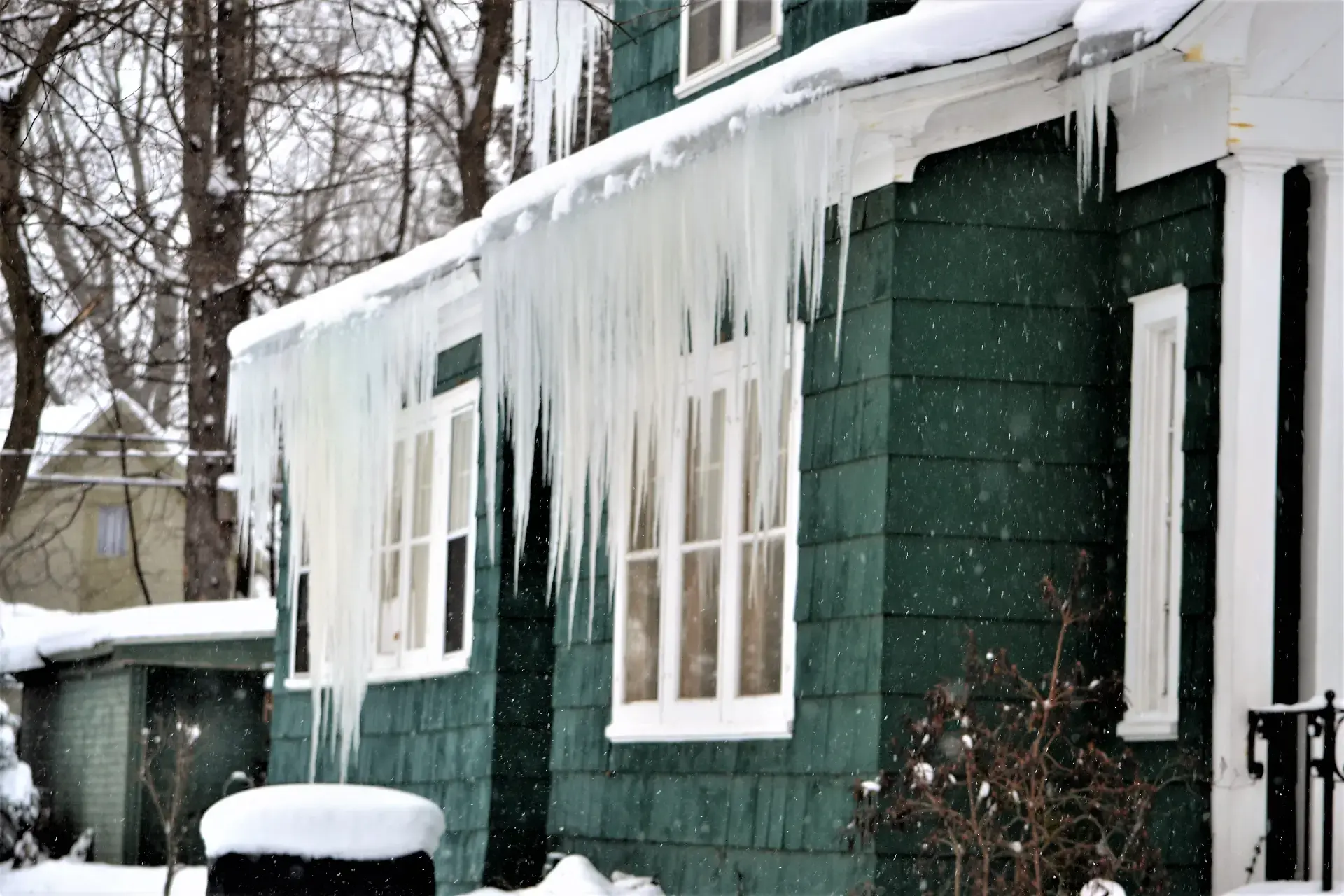
- Heavy snow and ice that press against and freeze to the siding.
- Freeze thaw cycles that work moisture into small cracks and widen them.
- Coastal salt air that breaks down materials faster, especially near the ocean.
- High winds during nor'easters that lift, crack, or tear off panels.
Repair or Replace?
Small, isolated damage often calls for repair. We replace damaged boards, reseal joints, and stop moisture from spreading.
Widespread damage usually means replacement is smarter. If you're fixing the same area year after year, or if the damage covers most of one wall, replacing the siding gives you a clean reset and a new protective layer.
For exterior protection across the board, see our Siding Services in Maine and Painting Services.